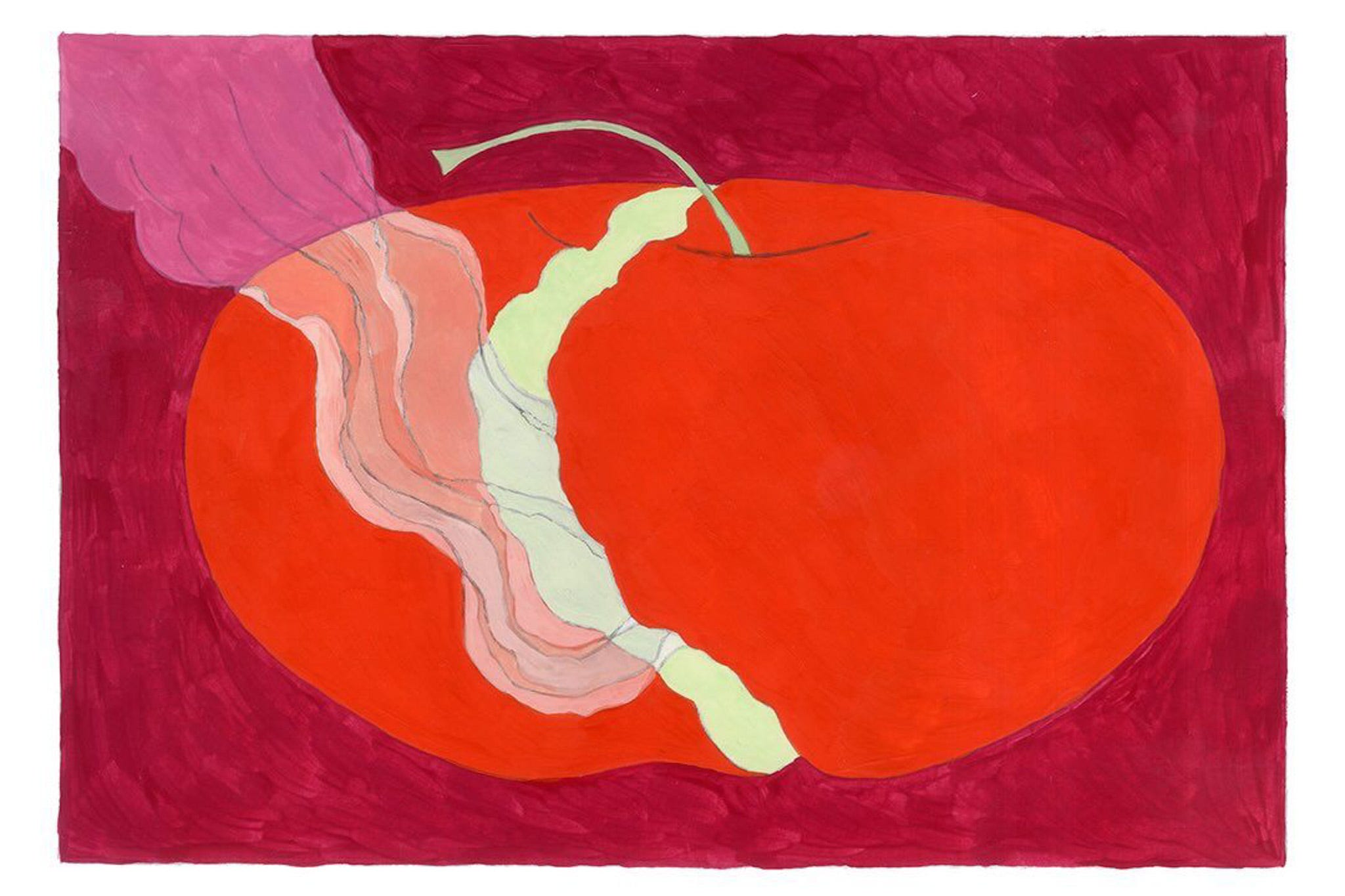
choking hazard
battling my food

I had a vague idea a few weeks ago to write about food, since I am usually in some fashion or another, always thinking of food. The idea came to me as I stood vigil over a too-full pot containing a whole chicken, and well, not much else. Still nestled under its breasts were several stalks of celery and a few quarters of an onion. The carrots I skipped. I managed to find room for a wilting bunch of parsley. At the time, I couldn’t afford the space for garlic, but that seems hard to believe now—what’s in a clove? It took the better part of four hours for it all to cook down, for the bird to fall apart and the vegetables to turn translucent before I plucked them out to leave behind a chicken soup. As that chicken teetered and bobbed in the water, threatening to jut out a wing here, a leg there, I glanced outside and noticed that it had begun to snow, and had a sudden urge to bottle the very specific feeling of standing there. December night, dark night. Not much going on, not much I wanted to live for, except for this soup that was trying its best to become something for me.
I tried and failed to write that piece in a journal a few times. Chicken soup for the soul and all that. But it is hard to write a lie. The thing is, I only know to write about food like it is joy, because I find food inherently beautiful. That we take the trouble to labour over the things we put in our body is a profound truth about what it is to be human. We look at a pomegranate and decide that it is worth our time to unearth each jewel-like nub from its depths. At a mound of flour and water and commit to coaxing rotis, dumplings, and loaves out of it. Inside of all the stores of pickled vegetables and larders of jam preserves and twenty-four-hour pho broths simmering away in kitchens there is a small promise that their makers make to themselves, and to the people they feed: this time on earth, which will pass anyway, is worth spending on this. I find this beautiful.
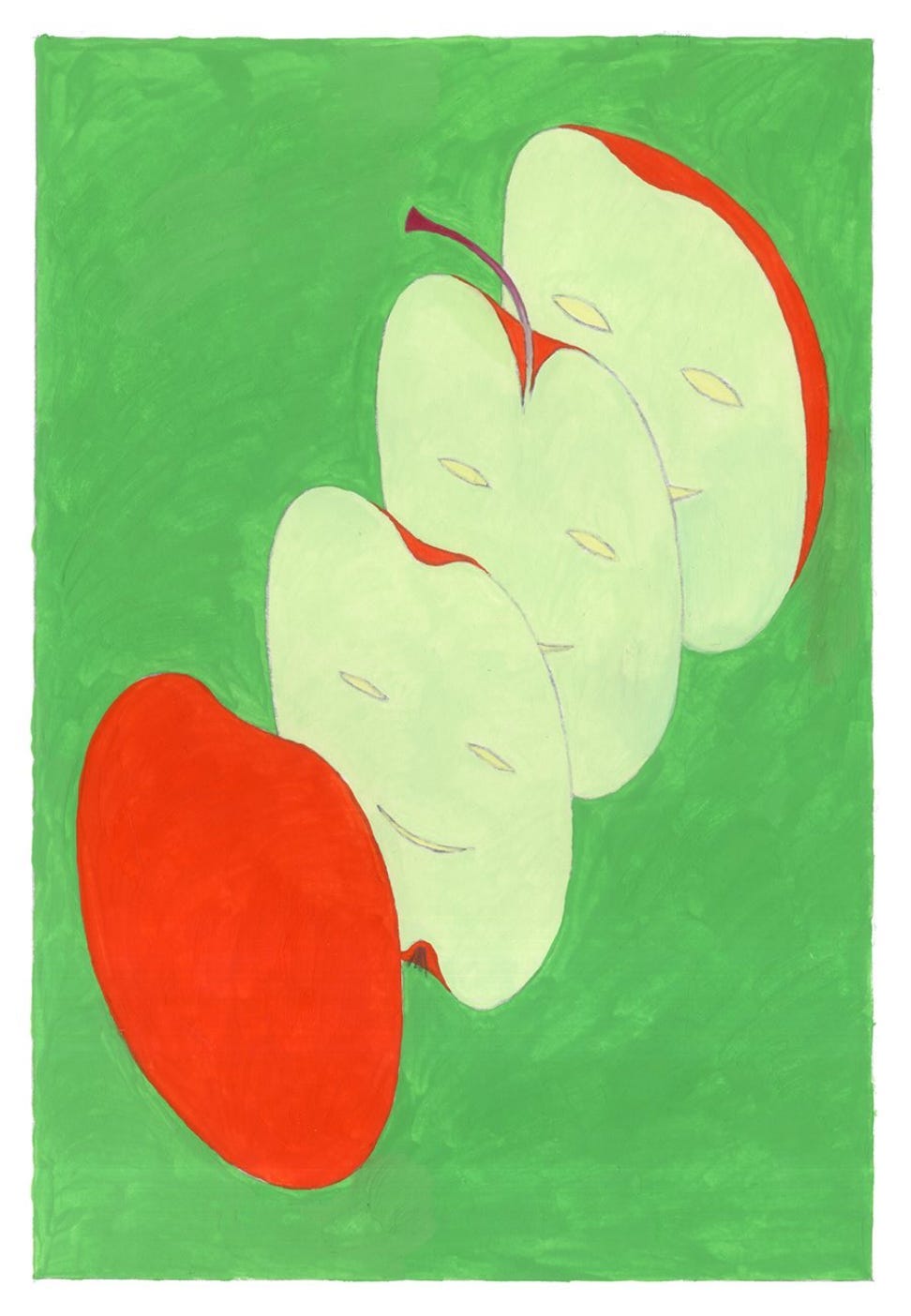
In a sense I have always known that the way I eat reflects the way that I am. When I am travel, I am adventurous, and I eat everything in sight for the simple and savage pleasure for having eaten it: fried crickets dusted with a mystery spice in Mexico, softies off the side of the road in Srinagar, glossy sugar-and-sesame coated peanuts in the souqs of Riyadh, toasted garlic flowers offered to me by a farmer somewhere in Prince Edward Country, oven-fresh kouign-amann from a bakery in Montréal. When I return home, I reach out for old comforts: dal over rice, chicken stew, roast fish with a steamed vegetable. In the summer, my spirit is hedonistic, and my manner of eating carnal. Sindhi mangoes I pay top-dollar for on Gerrard Street, pints of ice cream I squirrel away in my freezer, ripe Niagara peaches I eat standing over the sink, juices lashing my bare arms at first bite. When I return to Kashmir, the food I was largely ambivalent toward all my childhood becomes a commodity to be savoured before it is out of reach again: burnished kulchas my grandmother gets from Pampore, orchard plums that make my stomach hurt, the morning tsot and evening tscotchwor fresh from the kandur, short-lived sotscal dumped on steaming white rice, the ever-elusive nunar scrambled into the morning eggs, and tamaatar-tsaaman served in impossibly large, cloud-like hunks at waazwaan feasts. Occasionally, my disposition turns frantic, stressed, wild, manic, and at times like these, you would see me eat like a woman possessed, tasting nothing except the sensation of the chew and the swallow, effortlessly polishing off sleeves of crackers and bags of dried mango and wedges of cheese and bars of chocolate as though put together, they could all plug the gaping maw of anxiety that roars within me.
What I don’t know is how to write about food like this—when the palate that typically guides my daily rhythms and vagaries has suddenly abandoned me. I don’t know how to write about the absence of that voracious appetite that yes, was for the comestible, but was also in a sense, for life. Perhaps just as well that I don’t know how to write about it; there nothing for me to write about. Hunger is not the emotion that registers, but instead a different type of emptiness, a faraway unhappiness that you realize with dull horror that a fresh brew of coffee or a gentle pot of chicken soup cannot fix. What feels exhausting is to explain to those around you, no, I don’t want second helpings, and in fact I didn’t even want the first helping, and no, I am not on a diet, and no, I am not being picky, well you see the thing is, someone has taken my stomach out and replaced it with a dry bean, and that shrivelled up bit may as well be a flint of metal, a pebble that will grow hot with the strain of trying to become something that it is not.
I don’t know what lies on the other side of a life that has begun to taste neither unctuous nor sweet, not even sour like tamarind, not even acrid like bad milk. The little of it that I have seen is admittedly unnerving: a visceral discomfort in eating around people, a sudden desire to eat that abates as soon as food materializes in front of me, the miserable conviction that if I swallow, I will choke up all of it, the soup, the salad, the daily bread, the profound relief that I am home with my parents these days, and do not have to perform the arduous task of cooking, and underlying it all, vague disorientation at the landscape of this terra incognita, this dark, this gloom.
Better to be lost, some would argue, than to dally around in the familiar. “Leave the door open for the unknown, the door into the dark,” Rebecca Solnit urges. “That’s where the most important things come from, where you yourself came from, and where you will go.” Writes Thoreau in Walden: “Not until we are lost, in other words, not till we have lost the world, do we begin to find ourselves, and realize where we are and the infinite extent of our relations.” This feels dubious to me. It feels like the sort of thing you might say when you take a wrong turn, then tell your passenger that you meant to do that all along. I don’t know. I say that a lot these days. How do you know that you are in a labyrinth? You teach yourself to respond with the only answer that feels appropriate for any question you get. How are you? I don’t know. Are you hungry? I don’t know. Which way is out? I don’t know. Who are you? I don’t know. Can I help? I don’t know. What I do know is that I doled out portions of that chicken soup to everyone who entered my house that week, and accepted their compliments with good grace. I had some myself too, and hated every forced sip of it. Let me know if you want the recipe—I know that too.